Drlogy
Healthcare organization
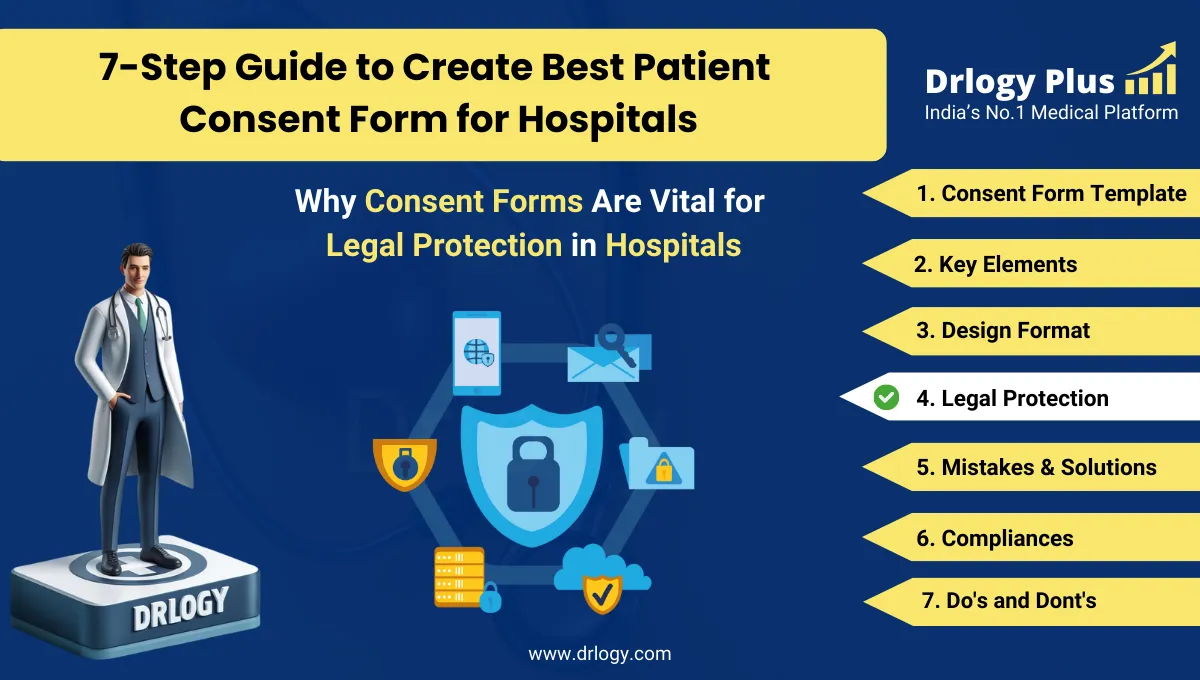
Why Consent Forms Are Vital for Legal Protection in Hospitals
Patient consent forms are a legal safeguard that ensure patients are fully informed before any medical procedure.
Check:
They play a vital in protecting both the hospital and the patient from legal, ethical, and communication risks.
10 Major Legal Importance of Patient Consent Forms in Hospital
Here are 10 Major Legal Importance of Patient Consent Forms in Hospital.
1. Legal Proof of Patient Authorization
- Establishes that the patient willingly agreed to the procedure.
- Acts as a documented record of voluntary participation.
- Protects healthcare providers from unauthorized treatment claims.
- Reinforces patient rights under legal statutes.
- Can be used in court as formal evidence of consent.
Consent forms legally document that patients authorized the procedure.
2. Compliance with Medical Laws and Regulations
- Fulfills mandates under laws like the Clinical Establishment Act or HIPAA.
- Helps meet hospital accreditation standards (e.g., NABH, JCI).
- Ensures ethical and legal consistency in care delivery.
- Aids in audits and official inspections.
- Minimizes regulatory risks for the institution.
Following consent protocols ensures legal compliance for hospitals.
3. Protection Against Medical Negligence Claims
- Serves as defense evidence if complications occur post-treatment.
- Clarifies that the patient was informed of potential risks.
- Helps establish that due diligence was performed.
- Minimizes legal liability for physicians and hospitals.
- Reduces chances of malpractice lawsuits.
Consent forms protect healthcare providers in legal disputes.
4. Establishes Doctor-Patient Transparency
- Encourages open discussions about treatment options.
- Ensures that both parties are on the same page legally and ethically.
- Creates a culture of trust in care delivery.
- Builds legal clarity arounds and responsibilities.
- Supports professional conduct as per legal guidelines.
Transparency through consent builds strong legal and ethical care.
5. Legal Validation of High-Risk Procedures
- Crucial for surgeries, organ transplants, or experimental therapies.
- Confirms that patient is aware of heightened risks.
- Mandatory in most jurisdictions for invasive interventions.
- Prevents future legal challenges related to consent quality.
- Protects the hospital in critical care situations.
Risky treatments demand consent forms for legal and ethical approval.
6. Safeguards Patient Rights
- Guarantees the patient’s autonomy in choosing care paths.
- Affirms their legal right to accept or refuse treatment.
- Ensures dignity and informed decision-making.
- Acts as a binding legal declaration of intent.
- Supports patients’ access to legal redress if rights are violated.
Consent forms affirm patient autonomy and protect their rights.
7. Required for Insurance and Claims Processes
- Helps verify that services were legally rendered and agreed upon.
- Many insurers mandate signed consent for reimbursement eligibility.
- Supports transparency during insurance audits or claims reviews.
- Prevents disputes between patients, providers, and insurers.
- Streamlines the billing and legal claims process.
Consent forms are key documents for validating medical insurance claims.
8. Consent for Minors and Legally Incapacitated
- Requires signatures from parents, guardians, or legal proxies.
- Critical for patients unable to legally consent themselves.
- Avoids legal voiding of medical decisions made on their behalf.
- Ensures ethical practices for vulnerable patient groups.
- Helps in obtaining court permissions when needed.
Special consent ensures legal clarity for vulnerable patients.
9. Enables Consent Withdrawal or Modification
- Patients can legally revise or revoke consent before treatment begins.
- Hospitals must honor consent withdrawal under medical law.
- Supports dynamic consent in long-term or multi-step procedures.
- Establishes legal grounds for stopping or changing treatment.
- Prevents future legal conflicts about forced procedures.
Legal consent allows room for patient choice even post-signature.
10. Supports Institutional Legal Risk Management
- Standardized consent forms reduce hospital legal vulnerability.
- Helps legal teams resolve disputes quickly with documented proof.
- Establishes a culture of accountability and documentation.
- Prepares hospitals better for legal proceedings or audits.
- Strengthens overall governance and patient care compliance.
Consent documentation plays a central in legal risk prevention.
Drlogy Hospital Consent Form Guide
Here are 7 steps guide for Drlogy Hospital Consent Form Guide.
| 1. Hospital Consent Form Templates |
| 2. Types of Consent Forms |
| 3. Consent Form Design Format |
| 4. Consent Form Legality |
| 5. Consent Form Mistakes |
| 6. Consent Form Compliance |
| 7. Consent Form Do's & Don'ts |
Summary
Overall, Patient consent forms are not just medical necessities—they're legal cornerstones that safeguard patient rights and hospital accountability.
Check Drlogy Hospital Consent Form Guide to providing a comprehensive overview of essential consent forms, ensuring your hospital remains compliant, transparent, and patient-friendly.