Drlogy
Healthcare organization
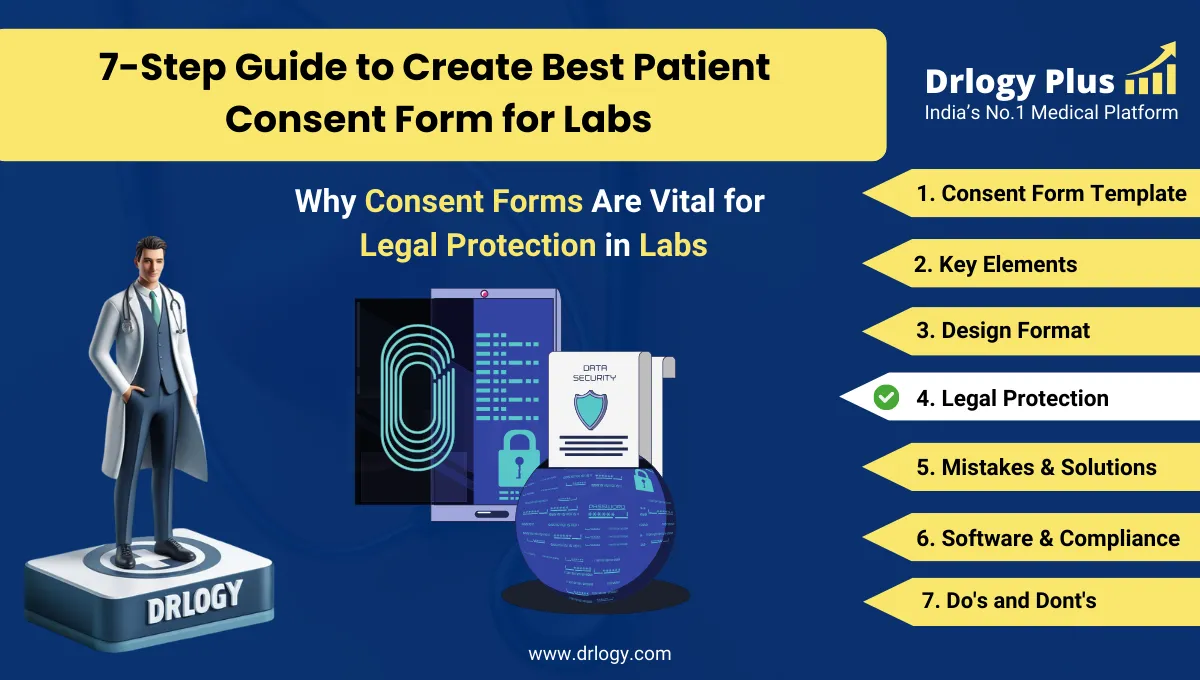
Why Consent Forms Are Crucial for Lab’s Success & Legal Safety
Consent forms are more than just paperwork—they are essential legal and ethical tools that protect both pathology labs and their patients.
Check:
A well-designed consent process fosters trust, ensures compliance, and safeguards your lab’s reputation.
10 Reasons Why Consent Forms Are Crucial for Lab’s Success & Legal Safety
Here are reasons Why Consent Forms Are Crucial for Lab’s Success & Legal Safety.
1. Legal Protection Against Liabilities
- Consent forms serve as legal documentation that a patient agreed to a test or procedure.
- They help shield labs from lawsuits related to miscommunication or unauthorized procedures.
- Signed forms show that patients were informed of risks and willingly participated.
- Courts often favor documentation when resolving medical disputes.
- Reduces the chances of legal claims for negligence or malpractice.
A consent form acts as a shield against legal risk and patient disputes.
2. Enhances Patient Trust and Transparency
- Explaining procedures clearly through consent builds trust in lab services.
- Patients feel respected when they are fully informed before tests.
- Transparency encourages loyalty and repeat visits.
- Reduces anxiety and confusion during diagnosis.
- Builds a positive lab-patient relationship.
Trust grows when patients understand and approve every step.
3. Ensures Regulatory Compliance
- Health authorities require written consent for certain tests and procedures.
- Following consent protocols ensures alignment with government and industry laws.
- Helps labs pass audits and inspections smoothly.
- Reduces the risk of penalties, fines, or license issues.
- Complies with medical ethics standards and ISO certifications.
Consent forms keep your lab aligned with legal and industry standards.
4. Clarifies Purpose and Scope of Testing
- Consent forms outline what test is being done and why.
- Prevents misunderstanding about procedures or test intentions.
- Ensures patients are aware of sample collection and test objectives.
- Helps limit the lab's responsibility to the agreed services.
- Clarifies what the patient is (and isn't) agreeing to.
A clear form avoids confusion and limits lab responsibility.
5. Documents Risk Disclosure
- Every medical test carries potential risks, even minimal ones.
- Consent forms document that patients were informed about possible risks.
- Ensures informed decision-making on the patient’s part.
- Protects labs if patients experience side effects.
- Helps demonstrate ethical practice and transparency.
Informed risk disclosure protects both patients and labs.
6. Supports Better Communication
- Encourages open dialogue between lab staff and patients.
- Patients are more likely to ask questions during the consent process.
- Clarifies expectations on both ends.
- Reduces confusion about how the test will be conducted.
- Improves patient satisfaction and understanding.
Consent forms open channels for clear lab-patient communication.
7. Minimizes Consent-Related Errors
- Standardized forms reduce the risk of missed information.
- Helps lab staff follow a checklist to avoid skipping crucial steps.
- Decreases confusion around what needs verbal vs. written consent.
- Avoids unauthorized procedures or wrong patient data collection.
- Maintains consistency across departments and staff.
Standard forms help labs avoid critical consent mistakes.
8. Protects Patient Rights
- Patients are informed about their rights to refuse or ask for alternatives.
- Reinforces that participation is voluntary.
- Upholds ethical standards of autonomy and informed decision-making.
- Prevents coercion or pressure during diagnosis.
- Provides written proof of informed choice.
Consent reinforces patients’ rights to choose and refuse.
9. Promotes Professionalism
- Well-drafted consent forms reflect a lab’s commitment to quality care.
- Professional documentation creates a positive brand image.
- Shows that the lab operates systematically and ethically.
- Improves credibility among patients and referral doctors.
- Aligns with healthcare industry best practices.
A formal consent process enhances your lab’s credibility.
10. Facilitates Better Record Keeping
- Forms serve as permanent records of patient interaction.
- Useful during audits, investigations, or patient follow-ups.
- Can be integrated into digital lab systems for easy access.
- Tracks patient history and consent status across visits.
- Strengthens lab documentation and operational control.
Consent forms improve lab records and ensure traceability.
Drlogy Lab Consent Form Guide
Here are 7 steps guide for Drlogy Lab Consent Form Guide.
| 1. Lab Consent Form Templates |
| 2. Lab Consent Form Key Elements |
| 3. Consent Form Key Guidelines |
| 4. Consent Form Legality |
| 5. Consent Form Mistakes |
| 6. Consent Form Compliance |
| 7. Consent Form Do's & Don'ts |
Summary
Overall, Consent forms are essential tools for legal protection, ethical compliance, and smooth patient communication—ultimately contributing to lab growth and safety.
Check Drlogy Consent Form Guide to providing a comprehensive overview of essential consent forms, ensuring your lab remains compliant, transparent, and patient-friendly.