Drlogy
Healthcare organization
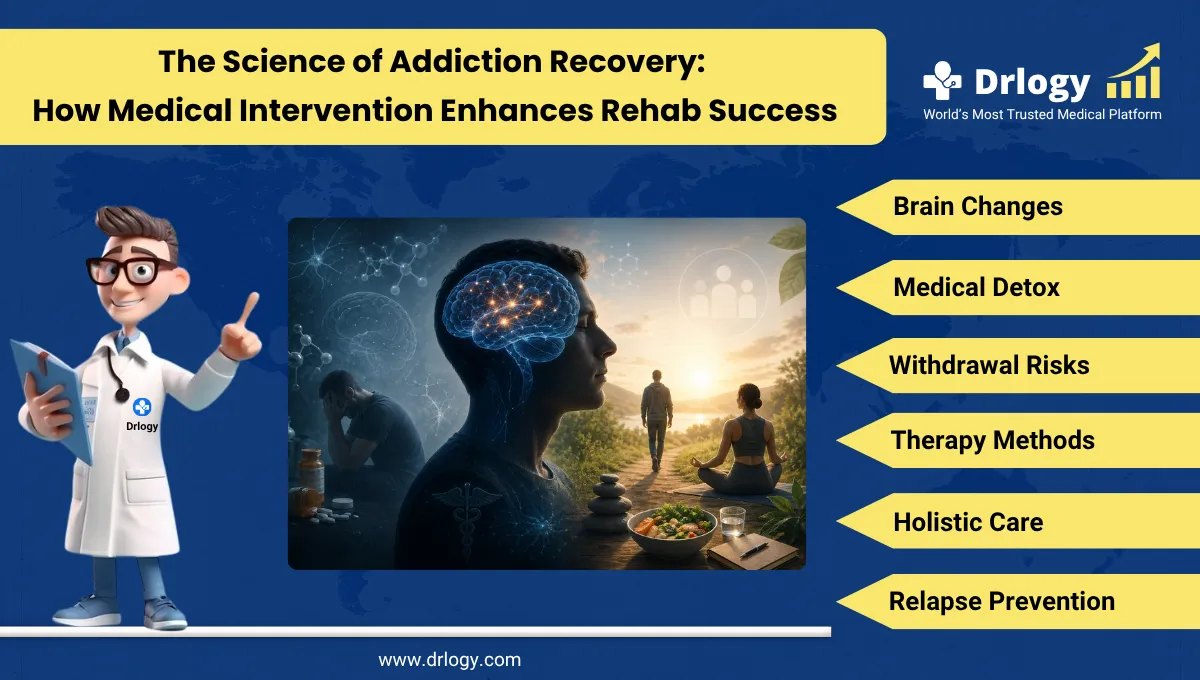
The Science of Addiction Recovery: How Medical Treatment Supports Healing
Throughout history, addiction treatments have focused on punitive and dangerous approaches, but today, advancements in scientific research and understanding have made it clear that addiction is a body and brain disorder that deserves the same medical recognition as other health conditions.
Addiction is a disease that affects both brain function and physical health, and medical intervention can be crucial throughout the recovery process to facilitate successful recovery, from medication to aftercare.
The World Health Organisation (WHO) recognises addiction as a chronic, relapsing brain disease, affecting brain structure and function, which causes people to become compelled to seek out a substance despite harmful consequences.
Medical intervention can be make or break when it comes to recovery success, and plays a big in rehabilitation, from treating changes in brain structure to managing the psychological side of addiction.
The Neurological Impact of Substance Use and Withdrawal
When a person takes takes drugs or consumes alcohol, it disrupts neurotransmitters in the brain like dopamine, GABA and serotonin, leading to differences in several areas of the brain:
- The reward system – Responsible for dopamine release and reinforcement
- The prefrontal cortex – Controls decision-making and impulse control
- The limbic system – Regulates emotion and memory processing
If this use becomes frequent, the brain can adjust to their presence, leading to lasting neurological change.
These measurable structural changes in the brains of people in addiction highlights that abstaining from substances is not just a case of willpower. Addiction is a real neurological disease that can require medication, monitoring and counselling to heal.
Successful rehabilitation is about acknowledging these physiological differences and offering a holistic treatment method that destigmatises the effects of addiction and improves affected areas of the brain, building a strong mental foundation for sobriety.
The brain is capable of healing from these changes through a process called neuroplasticity. With sustained abstinence and effective treatment, damaged neurons can be repaired, and brain cells can return to a healthy volume again.
The of Medical Detox in Early Recovery
Medical detox becomes necessary when a person becomes physically dependent. This supervised process manages withdrawal safely through monitoring and medication where necessary, to ease withdrawal symptoms and reduce health risks.
Detox can be dangerous in severe circumstances, and can result in lethal withdrawal complications. Alcohol detox is one of the most dangerous substances to withdraw from.
Severe cases of unmanaged withdrawal can result in seizures and delirium tremens (DT) – a life-threatening condition causing hallucinations, high blood pressure and even death.
Alcohol rehab manages these withdrawal risks with medical monitoring, and medication like Librium, which prevents health complications by slowing the central nervous system and calming muscles.
Inpatient rehabilitation facilities support patients around the clock, so medication can be prescribed and adjusted, with regular check-ins to monitor the patient’s vital signs. This will be altered to suit the substance, and shaped around the client’s health needs, age, severity and unique situation.
Evidence-Based Treatment For Successful Rehabilitation
Detox is only the first step of addiction recovery – true rehabilitation promotes long-term sobriety through therapy, wellbeing activities and a healthy diet and exercise.
Personalised treatment plans are vital for successful rehabilitation, as everyone has a unique addiction and situation. Assessments take into account addiction severity, mental health needs, home support systems and relapse history to build a robust care plan.
Rehabs utilise these evidence-based treatments to provide an integrated treatment approach that combines physical care and psychological support.
Tackling the psychological side of addiction is a big part of recovery, as often the root causes of addiction are mental health conditions. When a patient has a mental health condition alongside addiction, this is called ‘dual diagnosis’.
Common psychological treatments include evidence-based therapies such as:
- Cognitive behavioural therapy (CBT)
- Motivational interviewing (MI)
- Group therapy and peer support
General wellbeing exercises like yoga and meditation are also promoted for their proven mood-lifting abilities. Picking up a hobby can also give patients something to focus on, socialise through and use as a coping strategy after rehab to prevent relapse.
Many addictions cause nutrient deficiencies and dehydration, and lead to a general decline in physical health. That’s why leading rehabs incorporate a healthy diet and exercise into the programme, as it helps restore health and reverse damage.
Long-Term Recovery, Relapse Prevention, and Ongoing Support
Addiction doesn’t end after rehab – recovery is a long-term, ongoing process, and for some, cravings may never fully go away. That’s why a strong relapse prevention plan, aftercare and support network are vital to future success.
Addiction is by definition a chronic, relapsing disorder, so relapse isn’t considered a failure, but a risk of the disease.
Rehabs incorporate these key components for sustained recovery:
- Continued therapy or counselling – Top rehabs offer regular check-ins to talk about progress, and any hurdles that may come up
- Signposting to support groups and community – SMART Recovery are just one of many recovery non-profits that run science-backed peer-support groups
- Support with lifestyle changes – Guidance around the best sleep, nutrition, stress management techniques
This support can spot early relapse signs (like stress, isolation and cravings), and prevent it before it happens, which can greatly boost long-term abstinence rates.
Ongoing medication can also be prescribed to prevent relapse for some substances. For alcohol addiction, medications such as acamprosate, disulfiram, and naltrexone can prevent relapse by stopping its effects, causing unpleasant reactions or reducing cravings.
All of these tools help address relapse triggers and build coping strategies, which have been proven to improve sustained recovery success rates for people leaving rehab.
Concluding Thoughts on Rehab Success
Successful rehabilitation is best achieved with a holistic approach that tackles the physiological side of addiction as well as the psychological element. It’s important to choose a reputable rehab that offers a holistic approach.
If you’re struggling with addiction, recovery is possible. With medical intervention and evidence-led rehabilitation, you can heal from dependence and feel in control of your life once again.
The first step towards recovery is the hardest, but rehab can offer non-judgemental, confidential support to guide you into admission.
The Science of Addiction Recovery FAQs
Is Medical Detox Always Necessary?
Medical detox is not always necessary, but it is strongly recommended for moderate to severe dependence due to potential health risks. Substances which cause physical dependency have a higher risk of withdrawal complications and are more likely to require medical detox, such as Rehab 4 Addiction’s home alcohol detox.
How Long Does Addiction Recovery Take?
Recovery time varies greatly. Addiction is ongoing and may involve different stages over months or years. For some people, cravings may never fully go away, but they do become more manageable with recovery support.
Can Addiction be Fully Cured?
Addiction is preventable and treatable, but most people will never feel ‘cured’. Long-term addiction strategies focus on maintaining recovery and managing triggers. Most people need to practice abstinence forever in order to avoid relapse.