Drlogy
Healthcare organization
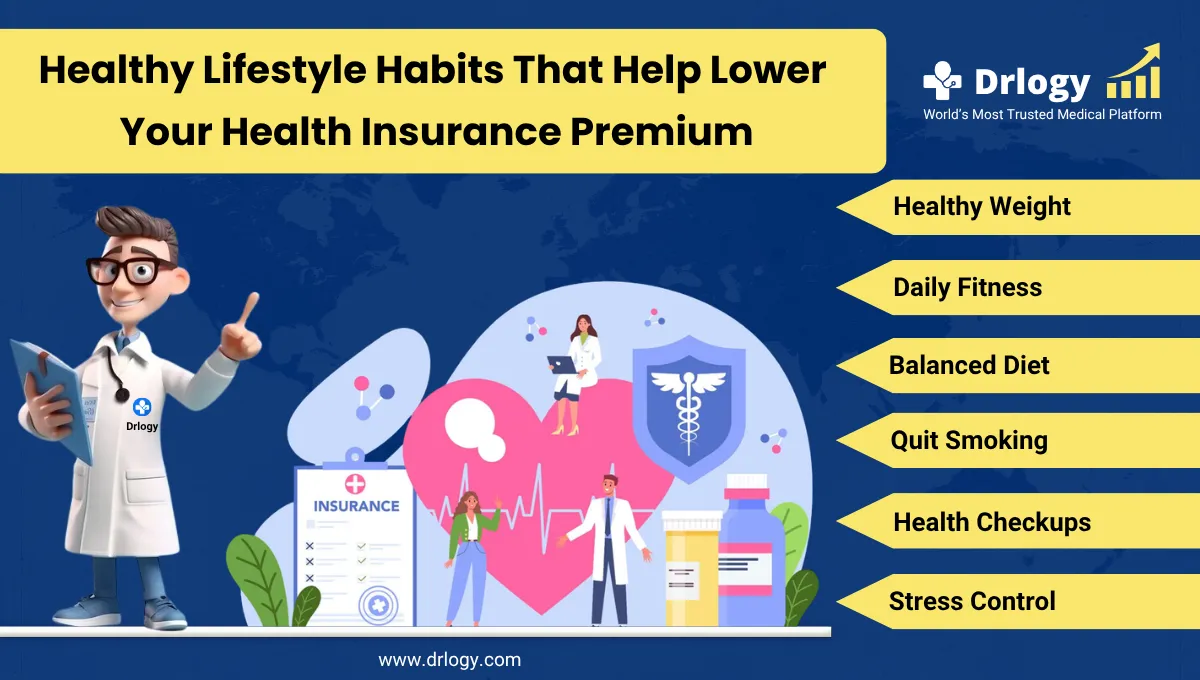
Healthy Lifestyle Habits That Help Lower Your Health Insurance Premium
Rising healthcare costs have made people look at health protection more carefully. Many still see insurance only as support during hospitalisation or medical emergencies.
Yet your daily habits can influence how insurers view your health risk over time. A better lifestyle may support better terms, wellness rewards, or lower renewal costs, depending on the plan.
Let's understand how healthier choices can help both your body and your finances.
How Lifestyle Affects Your Health Insurance Premiums?
Insurers assess health risk before deciding on premiums, terms, and eligibility. This assessment may include age, medical history, body weight, smoking habits, alcohol use, and existing health conditions.
Lifestyle matters because it can affect the chances of future claims. For example, smoking, obesity, inactivity, and poor diet may increase risks linked to diabetes, heart disease, and hypertension. These risks can influence how premiums are calculated. This is why health insurance pricing often reflects both present health conditions and long-term lifestyle patterns.
Healthy Lifestyle Habits That Can Help Lower Your Health Premium
Small daily habits can gradually reduce health risks and improve long-term wellness. These actions may also support better insurance outcomes over time, especially when linked to wellness programmes.
1. Maintain a Healthy Weight
Keeping a healthy weight may lower the chances of diabetes, heart problems, high blood pressure, and joint-related health issues over time. Since insurers often assess health risk before pricing, body weight may influence premium decisions.
A healthy Body Mass Index (BMI) can signal lower long-term health risk. It also supports better energy levels, mobility, and preventive care outcomes.
2. Stay Physically Active
Regular physical activity helps reduce lifestyle disease risks and improves heart health, stamina, and weight management. It does not always require intense workouts.
Walking, yoga, cycling, swimming, gym sessions, or playing sports can support better fitness. Consistency matters more than occasional heavy exercise. These habits may also support healthy living and lower insurance costs over time.
3. Eat a Balanced Diet
A balanced diet can support long-term health stability and reduce the risk of lifestyle-related conditions. Food choices influence weight, energy, digestion, and metabolic health.
The impact of a healthy diet on insurance premiums is indirect but important. A better diet can reduce health risks that insurers may consider while assessing medical history and future claim probability.
4. Avoiding Smoking and Limit Alcohol
Smoking is a strong risk factor during insurance assessment. Smokers may face higher premiums because tobacco use increases the risk of several serious illnesses.
Excessive alcohol consumption can also affect health risk. Reducing tobacco and alcohol use can improve long-term wellness and support a stronger health profile during policy review.
5. Regular Health Check-ups
Regular check-ups also help in early diagnosis, which can reduce long-term treatment costs and improve your overall risk profile when choosing health insurance.
Health check-ups also show proactive health behaviour. Many wellness programmes encourage preventive screening because it helps people manage health risks before they become serious.
6. Managing Stress and Sleep Well
Stress and poor sleep are often ignored, but both can affect long-term health. They may contribute to hypertension, fatigue, weight gain, and weaker immunity.
Simple habits like better sleep timing, screen breaks, meditation, and relaxation routines can support overall wellness. These lifestyle factors affecting health insurance premiums matter because they influence health risk over time. These habits are especially valuable for older adults, and maintaining them can make it easier to find suitable health insurance for parents with better long-term protection.
How Insurers Reward Healthy Habits?
Health insurers may reward healthy behaviour through wellness and preventive features. These features are designed to encourage good health and may include reward points for meeting wellness criteria. For many policyholders, health insurance becomes more valuable when it supports prevention, regular monitoring, and healthier everyday choices.
Some programmes may link rewards with fitness tracking, preventive check-ups, health declarations, or wellness activities. Depending on the plan, points may support renewal benefits, discounts, or health-related services.
No-claim bonuses can also support policyholders who do not make claims during a policy year. In some plans, this may increase coverage or reduce renewal costs.
Choosing the Right Health Plan for Long-term Protection
Adopting a healthy lifestyle protects your well-being and also helps you make informed choices when selecting health insurance that aligns with long-term needs. Before choosing a plan, check wellness benefits, preventive care features, renewal conditions, and reward rules.
This helps you see how everyday habits can improve long-term protection value and support better renewal outcomes. For families, it is also useful to review age profiles and health needs carefully. If elderly dependants need protection, comparing health insurance for parents can help you plan more clearly.
Build Health for Long-term Savings
Healthy habits usually work best when they become part of everyday life. Regular movement, balanced meals, better sleep, and preventive check-ups can create long-term value. When you combine consistent healthy habits with the right health insurance coverage, you create a safety net that supports physical and financial health.
Healthy habits work best when practiced consistently. Over time, they not only improve overall well-being but also reduce the likelihood of major health risks. When supported by the right insurance plan, this approach helps build both physical and financial resilience.
Healthy lifestyle habits can support better health and stronger financial planning. Maintaining a healthy weight, staying active, eating well, avoiding tobacco, and managing stress can reduce health risks over time.
These habits may also help you access wellness rewards, better terms, or lower renewal costs, depending on the plan. Small daily choices can create long-term benefits for your body, budget, and future security.
Conclusion
- Healthy habits reduce long-term health risks and support better financial security through improved insurance outcomes.
- Daily wellness choices can help you stay healthier while improving the value of your health insurance coverage.