• Drlogy Plus

What does it mean when your MCV is low?

When MCV (Mean Corpuscular Volume) is low, it suggests microcytic anemia. Microcytic anemia is characterized by smaller-than-normal red blood cells. The decreased MCV value can be associated with conditions like iron deficiency anemia, thalassemia, and chronic inflammatory disorders. The reduced size of red blood cells may lead to decreased oxygen-carrying capacity, resulting in symptoms such as fatigue, weakness, and paleness. Accurate diagnosis and understanding the underlying cause of low MCV are essential for appropriate treatment of the specific type of anemia or other blood disorders contributing to the microcytosis.

FAQ

What is the full form of MCH formula?

The full form of MCH formula is "Mean Corpuscular Hemoglobin." MCH represents the average amount of hemoglobin in each red blood cell. It is one of the red blood cell indices used to evaluate blood health in a complete blood count (CBC) test. The formula for calculating MCH is MCH = Total Hemoglobin / RBC count. MCH is measured in picograms (pg) per cell and plays a crucial role in diagnosing and classifying different types of anemia and other blood-related disorders. Normal MCH values typically range between 27 and 31 picograms per cell. Abnormal MCH levels may indicate potential health issues, and further investigation is required to identify the underlying cause. Regular blood tests and consultation with a healthcare professional help monitor MCH levels and overall blood health effectively.

What is MCV level?

MCV (Mean Corpuscular Volume) level is a measure of the average size of red blood cells. It is one of the red blood cell indices measured in a complete blood count (CBC) test. MCV is expressed in femtoliters (fL) and provides valuable information in diagnosing and classifying different types of anemia and other blood-related disorders. Normal MCV values typically range between 80 and 100 femtoliters per cell. Abnormal MCV levels may indicate potential health issues, and further investigation is required to identify the underlying cause. Regular blood tests and consultation with a healthcare professional help monitor MCV levels and overall blood health effectively.

How do you calculate MCH?

MCH (Mean Corpuscular Hemoglobin) is calculated by dividing the total amount of hemoglobin in the blood by the total number of red blood cells (RBC count). The formula for calculating MCH is MCH = Total Hemoglobin / RBC count. MCH represents the average amount of hemoglobin in each red blood cell and is measured in picograms (pg) per cell. It is a crucial parameter in evaluating blood health and diagnosing different types of anemia. Normal MCH values typically range between 27 and 31 picograms per cell. Deviations from the normal range may indicate various blood disorders or health conditions, warranting further investigation and proper medical management. Regular blood tests and consultation with a healthcare professional help monitor and manage MCH levels and overall blood health.

What is the normal range of MCV in liter?

The normal range for MCV (Mean Corpuscular Volume) is typically between 80 and 100 femtoliters (fL). The unit of femtoliters is a measure of volume, not liter. Femtoliters are equal to 1.0 x 10^-15 liters. MCV measures the average size of red blood cells and is expressed in femtoliters per cell. Values within this range indicate normal-sized red blood cells. Deviations from the normal MCV range may indicate different types of anemia or blood-related disorders. Regular blood tests and consultation with a healthcare professional help monitor and manage MCV levels and overall blood health effectively.

What is a good MCV range?

A good MCV (Mean Corpuscular Volume) range is typically between 80 and 100 femtoliters (fL). MCV measures the average size of red blood cells, and values within this range indicate normal-sized red blood cells. Deviations from the normal MCV range may indicate different types of anemia or blood-related disorders. If your MCV falls within the normal range, it is an encouraging sign for your overall blood health. However, it is essential to consider other red blood cell indices and consult with a healthcare professional for proper evaluation and interpretation of blood test results. Regular blood tests help monitor overall blood health and identify any potential issues related to MCV levels.

How do you increase MCV?

Increasing MCV (Mean Corpuscular Volume) involves addressing the underlying cause of low MCV, which is often related to anemia or other blood disorders. If MCV is low due to iron deficiency anemia, incorporating iron-rich foods like lean meats, spinach, beans, and fortified cereals into your diet can help. Vitamin C-rich foods can enhance iron absorption. If anemia is caused by vitamin B12 or folate deficiency, including foods like dairy products, eggs, and leafy greens can be beneficial. In some cases, iron or vitamin supplements may be prescribed. It's essential to consult a healthcare professional for proper diagnosis and personalized treatment recommendations. Regular blood tests and medical guidance help monitor MCV levels and overall blood health, ensuring effective management.

Why is MCV and MCH low?

Low MCV (Mean Corpuscular Volume) and MCH (Mean Corpuscular Hemoglobin) can be caused by several factors, but the most common reason is iron deficiency anemia. In iron deficiency anemia, the body lacks sufficient iron to produce normal-sized red blood cells with an adequate amount of hemoglobin. Other potential causes include chronic diseases that affect red blood cell production or lifespan, certain genetic disorders like thalassemia, or blood loss due to injury or heavy menstruation. Proper diagnosis is crucial to identify the underlying cause and initiate appropriate treatment for low MCV and MCH levels. Regular blood tests and consultation with a healthcare professional help monitor and manage blood health effectively.

What is the range of MCV MCHC?

The normal range for MCV (Mean Corpuscular Volume) is typically between 80 and 100 femtoliters (fL). MCHC (Mean Corpuscular Hemoglobin Concentration) is generally between 31 and 36 grams per deciliter (g/dL). MCV measures the average size of red blood cells, while MCHC measures the concentration of hemoglobin in each red blood cell. Both indices play a crucial role in diagnosing and classifying different types of anemia and other blood-related disorders. Deviations from the normal ranges of MCV and MCHC may indicate potential health issues and warrant further investigation. Regular blood tests and consultation with a healthcare professional help monitor and manage MCV and MCHC levels and overall blood health effectively.

What is the difference between MCV and MCH?

MCV (Mean Corpuscular Volume) and MCH (Mean Corpuscular Hemoglobin) are two different red blood cell indices used to evaluate blood health. MCV measures the average size of red blood cells and is expressed in femtoliters (fL). It helps diagnose different types of anemia and other blood disorders. MCH, on the other hand, represents the amount of hemoglobin in each red blood cell and is measured in picograms (pg) per cell. While MCV focuses on the size of red blood cells, MCH provides information about their hemoglobin content. Both indices are essential in understanding blood health and diagnosing various blood-related conditions. Regular blood tests and consultation with a healthcare professional help monitor and manage MCV and MCH levels effectively.

What does it mean if MCV is high?

If MCV (Mean Corpuscular Volume) is high, it indicates that the average size of red blood cells is larger than normal. This condition is known as macrocytosis. Macrocytosis can be caused by various factors, such as vitamin B12 deficiency, folate deficiency, alcohol use, liver disease, or certain medications. It may also be associated with specific types of anemia, such as megaloblastic anemia. Identifying the underlying cause of high MCV is crucial for initiating appropriate treatment and managing the associated conditions effectively. Regular blood tests and consultation with a healthcare professional help monitor and address any potential health issues related to MCV levels.

Is low MCH normal?

Low MCH (Mean Corpuscular Hemoglobin) is not considered normal, as it may indicate anemia or other blood-related disorders. MCH represents the amount of hemoglobin in each red blood cell, and values outside the normal range (typically between 27 and 31 picograms per cell) suggest an imbalance in hemoglobin content. Low MCH values can be associated with conditions like iron deficiency anemia or certain genetic disorders. While a single low MCH value does not provide a complete diagnosis, it should prompt further investigation to identify the underlying cause and initiate appropriate treatment if necessary. Regular blood tests and consultation with a healthcare professional help monitor and manage MCH levels and overall blood health effectively.

What causes low MCH?

Low MCH (Mean Corpuscular Hemoglobin) can be caused by various factors. The most common cause is iron deficiency anemia, where the body lacks sufficient iron to produce an adequate amount of hemoglobin in red blood cells. Other potential causes include chronic diseases that affect red blood cell production or lifespan, vitamin B12 or folate deficiency anemia, certain genetic disorders like thalassemia, or blood loss due to injury or heavy menstruation. Identifying the underlying cause of low MCH is essential for initiating appropriate treatment and managing the specific type of anemia or blood disorder. Regular blood tests and consultation with a healthcare professional help monitor and address any potential health issues related to MCH levels.

What is your MCHC level?

As an artificial intelligence language model, I don't have a physical form or blood test results, so I don't have an actual MCHC (Mean Corpuscular Hemoglobin Concentration) level. MCHC measures the concentration of hemoglobin in each red blood cell and is typically expressed in grams per deciliter (g/dL). The normal MCHC range is usually between 31 and 36 g/dL. Deviations from the normal range may indicate different types of anemia or blood-related disorders. If you have concerns about your MCHC or any other blood parameters, I recommend consulting with a healthcare professional for proper evaluation, diagnosis, and personalized medical advice. Regular blood tests help monitor overall blood health and identify any potential issues related to MCHC levels.

What is MCV vs MCH vs MCHC?

MCV (Mean Corpuscular Volume), MCH (Mean Corpuscular Hemoglobin), and MCHC (Mean Corpuscular Hemoglobin Concentration) are three important red blood cell indices used to evaluate different aspects of blood health. MCV measures the average size of red blood cells and is typically expressed in femtoliters (fL). MCH represents the amount of hemoglobin in each red blood cell and is measured in picograms (pg) per cell. MCHC measures the concentration of hemoglobin in a given volume of packed red blood cells and is expressed in grams per deciliter (g/dL). These indices play a crucial role in diagnosing and classifying different types of anemia and other blood-related disorders. Regular blood tests and consultation with a healthcare professional help monitor and manage MCV, MCH, and MCHC levels, contributing to overall blood health assessment.

What is MCH in blood test normal range?

The normal range for MCH (Mean Corpuscular Hemoglobin) in a blood test is typically between 27 and 31 picograms (pg) per cell. MCH represents the amount of hemoglobin in each red blood cell. Values within this range indicate a healthy amount of hemoglobin content. Deviations from the normal MCH range may indicate different types of anemia or blood-related disorders. If your MCH falls within the normal range, it is an encouraging sign for your overall blood health. However, it is essential to consider other red blood cell indices and consult with a healthcare professional for proper evaluation and interpretation of blood test results. Regular blood tests help monitor overall blood health and identify any potential issues related to MCH levels.

What is a normal MCH?

The normal MCH (Mean Corpuscular Hemoglobin) range is typically between 27 and 31 picograms (pg) per cell. MCH represents the amount of hemoglobin in each red blood cell. Values within this range indicate a healthy amount of hemoglobin content. Deviations from the normal MCH range may indicate different types of anemia or blood-related disorders. If your MCH falls within the normal range, it is an encouraging sign for your overall blood health. However, it is essential to consider other red blood cell indices and consult with a healthcare professional for proper evaluation and interpretation of blood test results. Regular blood tests help monitor overall blood health and identify any potential issues related to MCH levels.

How is MCV calculated?

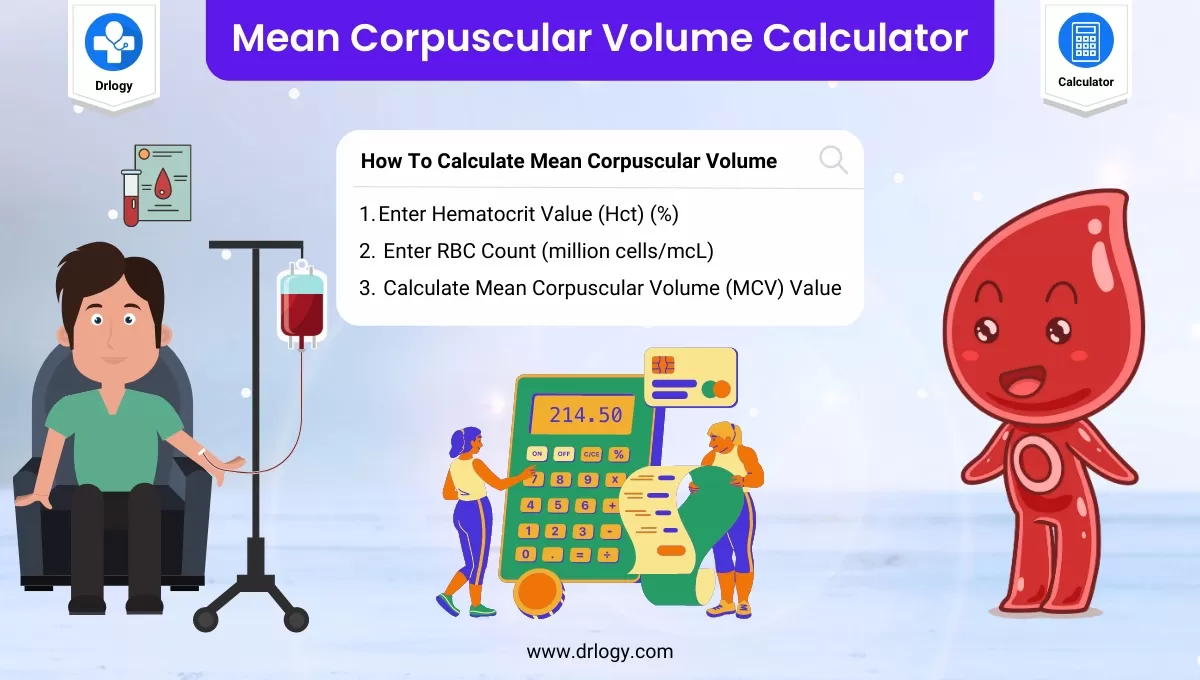
MCV (Mean Corpuscular Volume) is calculated by dividing the total volume of packed red blood cells (hematocrit) by the total number of red blood cells (RBC count). The formula for calculating MCV is MCV = Hematocrit / RBC count. MCV represents the average size of red blood cells and is an essential parameter in diagnosing different types of anemia and other blood-related conditions. Normal MCV values typically range between 80 and 100 femtoliters (fL). If MCV is outside the normal range, further investigation is required to identify the underlying cause and initiate appropriate treatment. Regular blood tests and consultation with a healthcare professional help monitor and manage MCV levels effectively.

Can Anaemia be permanently cured?

Whether anemia can be permanently cured depends on its underlying cause. In cases where anemia is due to temporary factors like nutritional deficiencies or acute blood loss, it can be fully cured by addressing these issues. Anemia caused by chronic conditions or certain genetic disorders may require ongoing management rather than complete cure. For example, anemia related to chronic kidney disease or certain blood disorders may need long-term treatment to maintain hemoglobin levels within the normal range. Regular monitoring and appropriate medical intervention help manage anemia effectively. While some forms of anemia can be cured, others may need ongoing care to ensure the best possible quality of life. A healthcare professional can help determine the specific treatment plan based on the type and cause of anemia.

Can I recover from anemia?

Yes, anemia can be treated and managed effectively, leading to a full recovery in many cases. The recovery process depends on the underlying cause of anemia and how well it is addressed. Nutritional deficiencies can be corrected through dietary changes and supplementation. Anemia caused by chronic conditions may improve as the underlying condition is treated. In severe cases, blood transfusions may be required for rapid improvement. With appropriate medical intervention, lifestyle changes, and regular monitoring, hemoglobin levels can increase, and anemia can be successfully managed. It's essential to work closely with a healthcare professional to determine the cause of anemia and develop a tailored treatment plan for the best chance of recovery and maintaining optimal blood health.

How can you treat Anaemia?

The treatment for anemia depends on its cause and severity. If it's due to nutritional deficiencies, dietary changes and supplements may be prescribed to address the lack of iron, vitamin B12, or folate. In cases of chronic disease, treating the underlying condition can improve anemia. Blood transfusions may be necessary for severe anemia to quickly increase hemoglobin levels. In some cases, medications like erythropoietin-stimulating agents may be used to stimulate red blood cell production. Your healthcare professional will determine the appropriate treatment plan based on the type and severity of anemia. Regular monitoring and follow-ups help ensure effective management and improvement of hemoglobin levels.

What is a good MCHC?

A good MCHC (Mean Corpuscular Hemoglobin Concentration) is typically within the normal range, which is between 31 and 36 grams per deciliter (g/dL). MCHC measures the concentration of hemoglobin in each red blood cell, and values within the normal range indicate a healthy amount of hemoglobin content. A good MCHC suggests that your red blood cells are carrying an appropriate amount of hemoglobin to support oxygen-carrying capacity. However, it is essential to consider other red blood cell indices and consult with a healthcare professional for proper evaluation and interpretation of blood test results. Regular blood tests help monitor overall blood health and identify any potential issues related to MCHC levels, ensuring a good overall state of blood health.

What is a normal MCHC count?

The normal MCHC (Mean Corpuscular Hemoglobin Concentration) range is typically between 31 and 36 grams per deciliter (g/dL). MCHC measures the concentration of hemoglobin in each red blood cell. Values within this range indicate a healthy amount of hemoglobin in the red blood cells. Deviations from the normal MCHC range may indicate different types of anemia or blood-related disorders. If your MCHC falls within the normal range, it is an encouraging sign for your overall blood health. However, it is essential to consider other red blood cell indices and consult with a healthcare professional for proper evaluation and interpretation of blood test results. Regular blood tests help monitor overall blood health and identify any potential issues related to MCHC levels.

How is MCHC calculated?

MCHC (Mean Corpuscular Hemoglobin Concentration) is calculated by dividing the hemoglobin concentration by the hematocrit and then multiplying by 100. The formula for calculating MCHC is MCHC = (Hemoglobin / Hematocrit) * 100. Hemoglobin is the protein responsible for carrying oxygen in red blood cells, while hematocrit is the percentage of red blood cells in the blood. The resulting value is expressed in grams per deciliter (g/dL) and represents the concentration of hemoglobin in each red blood cell. MCHC, along with other red blood cell indices, is essential in diagnosing and classifying different types of anemia and other blood-related disorders. Regular blood tests and consultation with a healthcare professional help monitor and manage MCHC levels and overall blood health.

Does MCHC fluctuate?

Yes, MCHC (Mean Corpuscular Hemoglobin Concentration) can fluctuate over time. Fluctuations in MCHC levels may occur due to various factors, including changes in diet, hydration status, medications, and underlying health conditions. For example, MCHC can be temporarily affected by dehydration, leading to a slightly elevated concentration. However, significant fluctuations in MCHC values are not common in healthy individuals. Persistent or substantial deviations from the normal MCHC range may warrant further investigation to identify potential health issues or conditions affecting blood health. Regular blood tests and consultation with a healthcare professional help monitor MCHC levels and overall blood health, identifying any noteworthy fluctuations and determining appropriate medical management as needed.

What if my MCH and MCHC are low?

If both MCH (Mean Corpuscular Hemoglobin) and MCHC (Mean Corpuscular Hemoglobin Concentration) are low, it suggests microcytic hypochromic anemia. In this type of anemia, red blood cells are smaller than normal (microcytic) and have reduced hemoglobin content (hypochromic). The most common cause of microcytic hypochromic anemia is iron deficiency, which can result from inadequate dietary iron intake, poor iron absorption, or blood loss (e.g., from gastrointestinal bleeding or heavy menstruation). Proper diagnosis is crucial to identify the underlying cause and initiate appropriate treatment for microcytic hypochromic anemia. Regular blood tests and consultation with a healthcare professional help monitor and manage MCH and MCHC levels and overall blood health effectively.

DOCTOR'S MOST TRUSTED HEALTHCARE PLATFORM

10M+

Patients

30000+

Doctors

25000+

Hospitals/Labs

Day

Calculator

Test

Health

Plus