How do you calculate volume units?
Calculating volume units depends on the shape of the object or container being measured. Here are some common formulas for calculating volume units for different shapes:
-
Cube or Rectangular Prism: Volume (in cubic units) = Length x Width x Height
-
Cylinder: Volume (in cubic units) = π x radius^2 x height
-
Sphere: Volume (in cubic units) = (4/3) x π x radius^3
-
Cone: Volume (in cubic units) = (1/3) x π x radius^2 x height
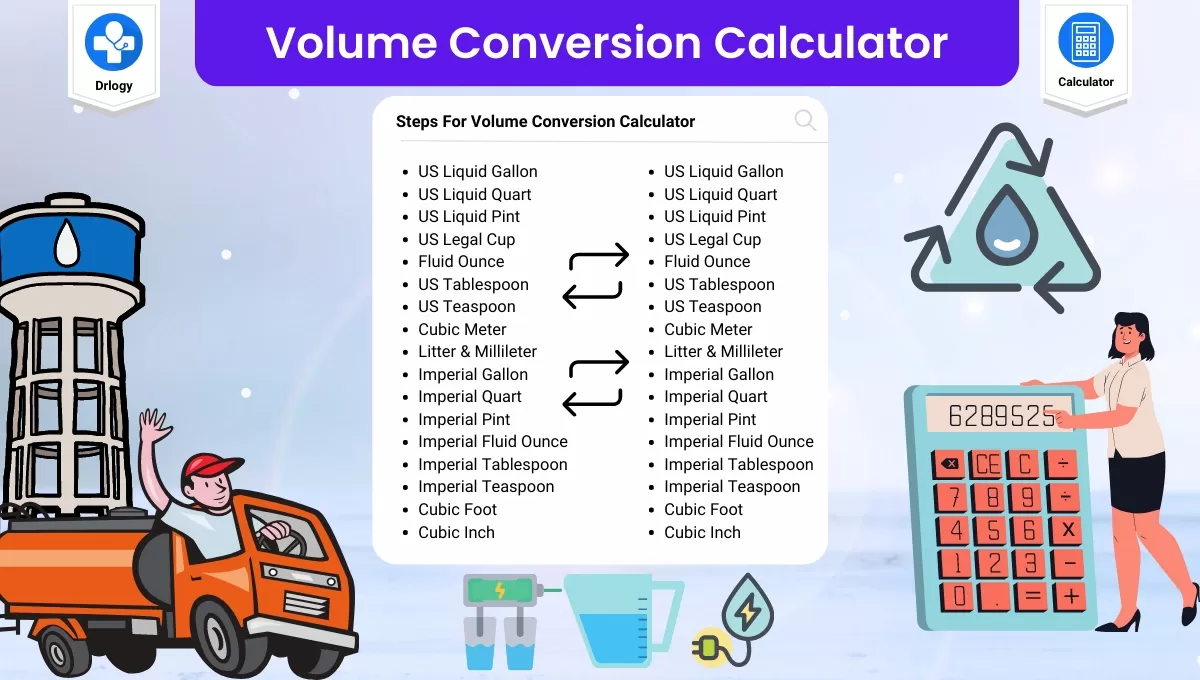
Once you have calculated the volume in cubic units, you can convert it to the desired volume unit (e.g. liters, milliliters) using the appropriate conversion factor. For example, to convert cubic meters to liters, you would multiply the volume in cubic meters by 1000, since 1 cubic meter is equal to 1000 liters.
It's important to keep track of units during calculations and conversions to avoid errors or confusion. Additionally, be aware that rounding or precision errors may occur during calculations.
FAQ
How many mL are in 1kg?
How many kg is a litre of oil?
What is 1 litre in grams?
What is 1 liter divided into 8?
What is the weight of 1 cubic meter?
How many cubic meters is 1 ton?
How can I measure 1 liter of water at home?
How do you convert m3 to KG?
What is greater than 1 liter?
Is there anything bigger than a litre?
What is smaller than a litre?
What is bigger than a litre?
How is cubic calculated?
How do you calculate 1 cubic?
How do you find the volume of all shapes?
How do you convert volume to liters?
How much volume is 1 unit?
What is the conversion of units for volume?
What is volume in maths?
What is volume 2 formula?
What is the formula and unit of volume?
How do you convert volume in chemistry?
How much is 1 or 2 liters?
What is half of 1 liter?
Is 1 L equal to 1 cm3?
- Home /
- Calculator /
- FAQ /
- How do you calculate volume units?


