Drlogy
Healthcare organization
Improving Access to Reproductive Healthcare for People With Disabilities
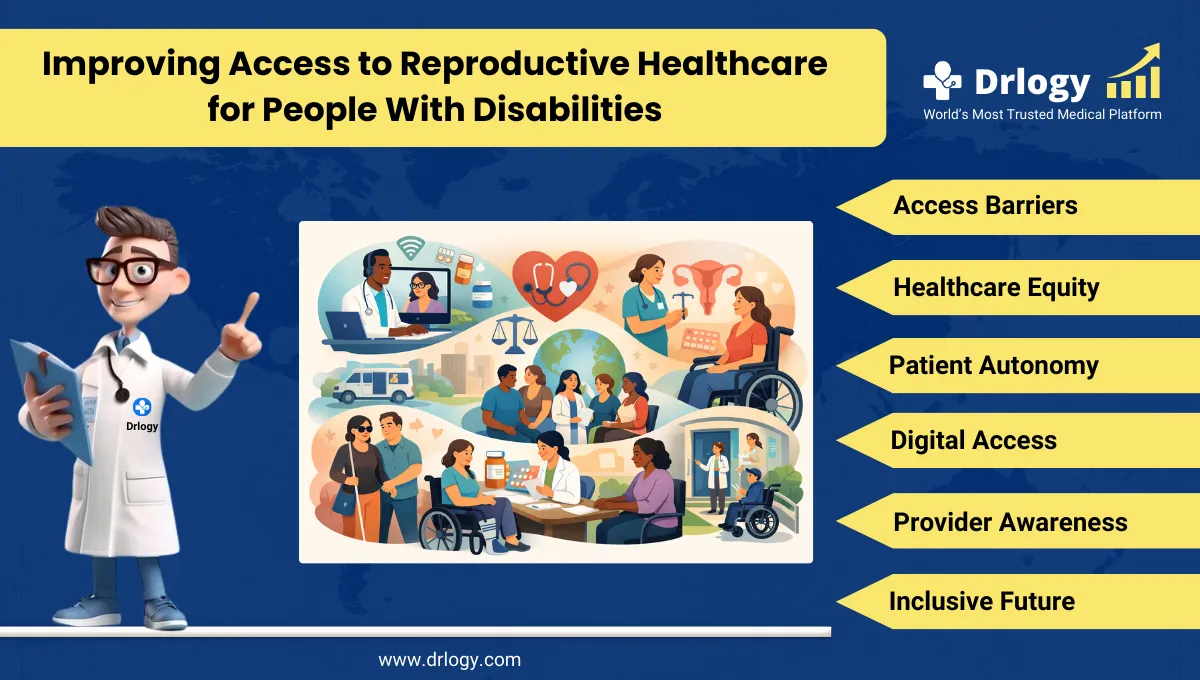
Access to healthcare is a fundamental right, yet for many people with disabilities, navigating medical systems remains a significant challenge. Barriers such as limited mobility, transportation difficulties, financial constraints, and lack of accessible information often complicate even routine healthcare decisions.
Reproductive healthcare is no exception. Ensuring equitable access to information, services, and medication is essential for supporting independence, dignity, and overall wellbeing for people living with disabilities.
Understanding the Access Gap
People with disabilities experience healthcare disparities at higher rates than the general population. These disparities are not caused by disability itself, but by systemic obstacles that limit access to care. Physical inaccessibility, communication barriers, and gaps in provider training can prevent individuals from receiving timely and appropriate medical support.
Reproductive healthcare can be particularly difficult to access. Appointments may require travel, long wait times, or environments that are not designed with accessibility in mind. For individuals managing chronic conditions or limited mobility, these challenges can make in-person care overwhelming or impractical.
Autonomy and Informed Choice
Autonomy is central to disability advocacy. People with disabilities have the same right to make informed decisions about their bodies as anyone else. This includes the ability to explore reproductive health options, understand potential benefits and risks, and choose what aligns with personal needs and values.
Unfortunately, misconceptions persist that people with disabilities do not need reproductive healthcare. These assumptions are harmful and contribute to exclusion. In reality, reproductive health is an important aspect of comprehensive care for many individuals with disabilities.
The of Digital Health Access
Digital healthcare tools have begun to close some access gaps. Telehealth consultations, online educational resources, and remote prescription services allow individuals to engage with healthcare providers without unnecessary physical barriers. For many, these tools represent a meaningful step toward independence.
Services such as birth control online reduce the need for repeated in-person visits, offering flexibility for individuals who face transportation challenges or fatigue related to disability. When implemented responsibly, digital access empowers patients to manage their health on their own terms.
Navigating Medication Access With a Disability
Medication access involves more than availability. It requires clear instructions, manageable dosing, and consideration of interactions with existing treatments. People with disabilities are more likely to take multiple medications, increasing the importance of coordination and clarity.
Accessible formats for medication information are critical. Clear language, alternative formats, and patient-centered explanations help individuals understand how medications fit into their broader health plan. Without this support, medication management can become stressful or unsafe.
Financial Barriers and Insurance Complexity
Cost remains a major obstacle for many people with disabilities. Fixed incomes, limited employment opportunities, and complex insurance systems can make healthcare decisions financially stressful. Even when medications are covered, navigating approvals, renewals, and documentation can be exhausting.
Advocacy organizations play an important in helping individuals understand benefits, appeal denials, and access assistance programs. Simplifying administrative processes reduces stress and improves adherence to treatment plans.
The Importance of Provider Awareness
Healthcare providers are essential partners in improving access. When providers understand disability-related challenges, they can adapt care delivery to meet patient needs more effectively. This includes offering flexible appointment options, providing accessible communication, and respecting patient autonomy.
Training providers to recognize and address implicit bias is equally important. Assumptions about capacity or need can undermine trust and discourage individuals from seeking care. Respectful, informed interactions foster better outcomes for everyone involved.
Reproductive Health as Preventive Care
Reproductive healthcare is often framed as optional or secondary, but it is a key component of preventive medicine. Access to appropriate contraception supports physical health, emotional wellbeing, and life planning. For people with disabilities, preventive care can reduce medical complications and enhance quality of life.
Preventive approaches align with broader disability support goals by promoting stability and reducing crisis-driven care. When individuals can plan and manage their health proactively, they experience greater control and confidence.
Addressing Intersectional Challenges
Disability does not exist in isolation. Many individuals also face challenges related to gender, socioeconomic status, geography, or chronic illness. These overlapping factors can intensify barriers to care and require tailored solutions.
An inclusive healthcare system recognizes these intersections and avoids one-size-fits-all approaches.
Personalized care models that consider the full context of a person’s life are more effective and respectful.
Education and Health Literacy
Health literacy is a powerful tool for empowerment. Understanding how medications work, what options are available, and when to seek help allows individuals to advocate for themselves. Educational resources should be accessible, culturally sensitive, and tailored to different learning needs.
Clear explanations reduce fear and misinformation, helping individuals make decisions with confidence. Education also supports caregivers and family members who may assist with healthcare management.
Long-Term Support and Consistency
Consistency in care is especially important for people with disabilities. Disruptions in medication access or provider relationships can have significant consequences. Systems that support continuity improve outcomes and reduce stress.
Reliable access to medications such as larin birth control within a coordinated care framework helps individuals maintain stability and avoid unnecessary health disruptions. Consistent support reinforces trust and encourages ongoing engagement with healthcare services.
Advocacy and Policy Progress
Policy changes play a crucial in expanding access. Disability advocates continue to push for inclusive healthcare design, expanded telehealth coverage, and stronger patient protections. These efforts aim to remove structural barriers rather than placing the burden on individuals.
Progress requires collaboration between policymakers, healthcare providers, and the disability community. Inclusive decision-making ensures that solutions reflect lived experiences rather than assumptions.
The Future of Accessible Healthcare
Technology, policy reform, and increased awareness are shaping a more inclusive healthcare landscape. While challenges remain, momentum continues toward systems that prioritize access, autonomy, and respect.
People with disabilities deserve healthcare that supports their goals and recognizes their agency. Accessible reproductive healthcare is a vital part of that vision.
Conclusion
Equitable access to reproductive healthcare is essential for supporting independence and wellbeing among people with disabilities. By addressing systemic barriers, expanding digital access, and promoting informed choice, healthcare systems can move closer to true inclusion. Empowering individuals through access, education, and respect strengthens not only personal health outcomes, but the health of communities as a whole.