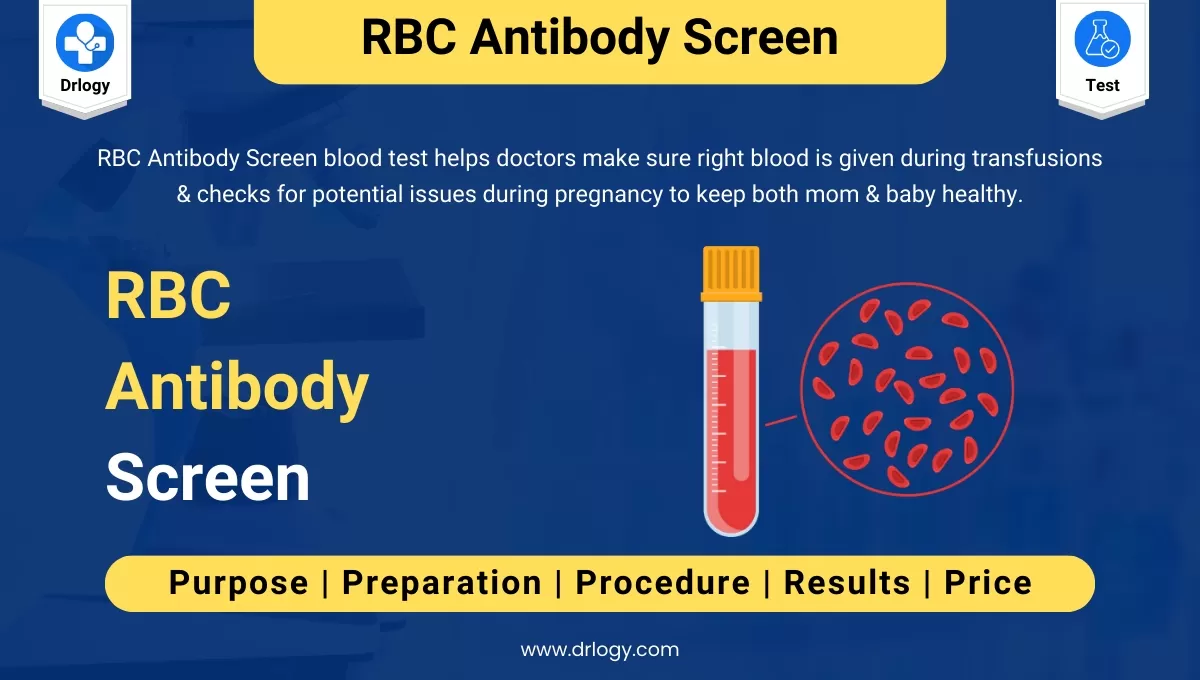
What happens if antibodies are found in the screen?

If antibodies are detected, it's essential to identify the specific type and assess their potential risk. This information helps healthcare providers make informed decisions, such as selecting compatible blood for transfusions or monitoring pregnancies closely to prevent complications.

Testcare FAQ

What does antibody positive mean?

An "antibody positive" result indicates the presence of specific antibodies in the blood serum. This result can have various implications, depending on the type of antibody and the context. It may suggest sensitization to a particular antigen, which could be a concern in situations like pregnancy or blood transfusions, where incompatible antibodies can lead to adverse reactions. Further testing and evaluation are needed to determine the significance of the antibody and its potential clinical impact.

Which antibody is present in RBC?

Antibodies against RBCs are typically present in the blood serum, not on the RBCs themselves. These antibodies, known as anti-RBC antibodies or alloantibodies, can target specific antigens on the surface of RBCs, leading to various blood-related conditions, such as hemolytic disease of the newborn or transfusion reactions.

What does antibody screen negative mean?

An "antibody screen negative" result in blood testing indicates that no unexpected antibodies against red blood cells (RBCs) were found in the patient's blood serum. This is a normal and desirable result, as it means the patient is not sensitized to any unusual RBC antigens.

How do RBC antibodies affect the safety of blood transfusions?

RBC antibodies significantly impact the safety of blood transfusions. When present, these antibodies can react with transfused red blood cells, causing adverse reactions. Compatibility testing and careful selection of compatible blood are essential to ensure safe transfusions for individuals with RBC antibodies.

Can RBC antibodies impact the results of pregnancy tests?

RBC antibodies do not typically impact the results of pregnancy tests. Pregnancy tests detect the presence of the human chorionic gonadotropin hormone, which is produced during pregnancy. RBC antibodies are unrelated to this hormone and do not influence the accuracy of pregnancy test results.

How are RBC antibodies different from platelet antibodies?

RBC antibodies and platelet antibodies are distinct. RBC antibodies target red blood cells, while platelet antibodies focus on platelets. These antibodies have separate roles in the immune response, and they are not interchangeable. Understanding these differences is important for accurate diagnosis and treatment.

Can RBC antibodies lead to stillbirths?

RBC antibodies can potentially lead to stillbirths in cases of severe hemolytic disease of the newborn. The condition can result in severe fetal anemia and other complications that may lead to stillbirth. Timely detection and appropriate medical care are vital to reduce the risk of stillbirth associated with RBC antibodies.

Is the RBC Antibody Screen part of routine newborn screening?

The RBC Antibody Screen is not typically part of routine newborn screening. It is usually performed during prenatal care to assess potential risks to the baby. However, if the baby is at risk of hemolytic disease due to maternal antibodies, appropriate testing and interventions will be conducted after birth.

Can RBC antibodies lead to complications in blood stem cell donations?

RBC antibodies are primarily related to red blood cells and may not directly impact blood stem cell donations. However, individuals with a history of RBC antibodies should inform healthcare providers during the donation process to ensure that the donation and transplant are as smooth and successful as possible.

How does RBC antibody detection impact bone marrow donation?

RBC antibody detection may impact bone marrow donation if the recipient has RBC antibodies. Ensuring compatibility between the donor's bone marrow and the recipient's immune system is crucial to prevent complications related to antibodies. Special considerations are necessary to ensure a successful bone marrow transplant.

Can RBC antibodies cause preterm birth?

RBC antibodies may contribute to preterm birth in cases of severe hemolytic disease of the newborn. The complications resulting from these antibodies, such as fetal anemia and distress, can lead to the need for early delivery. Careful monitoring and intervention are essential to manage the impact of RBC antibodies on pregnancy.

Are RBC antibodies a common concern during prenatal care?

RBC antibodies are a common concern during prenatal care, especially for individuals with a history of antibodies or known risk factors. The RBC Antibody Screen is routinely performed during prenatal care to assess the risk of hemolytic disease of the newborn and take appropriate measures to protect the baby's health.

Can RBC antibodies impact the results of routine blood tests?

RBC antibodies are specific to red blood cells and generally do not impact the results of routine blood tests for unrelated health conditions. However, they may affect blood compatibility tests, particularly when crossmatching is required for transfusions. Healthcare providers consider antibodies when interpreting blood test results in specific cases.

What is the relation between RBC antibodies and organ rejection?

RBC antibodies can play a role in organ rejection when they react with the donor's blood cells in the transplanted organ. This incompatibility can lead to organ rejection or complications following transplantation. Close coordination, compatibility testing, and careful selection of organs are vital to prevent antibody-related rejection.

Can RBC antibodies cause complications in bone marrow transplants?

RBC antibodies can cause complications in bone marrow transplants if the recipient has pre-existing antibodies. These antibodies may react with the donor's blood cells, leading to potential complications and graft failure. Compatibility assessment and careful planning are necessary to minimize these risks.

Do RBC antibodies impact neonatal jaundice?

RBC antibodies can indeed impact neonatal jaundice, as they may cause hemolytic disease of the newborn. This condition results in the release of bilirubin from the destroyed red blood cells, leading to jaundice in the infant. Proper medical management and interventions are required to address neonatal jaundice related to RBC antibodies.

Are RBC antibodies associated with specific blood types?

RBC antibodies are not limited to specific blood types. They can develop in individuals with various blood types, depending on their medical history and exposure to foreign blood cells. The presence of RBC antibodies is more closely linked to specific events or medical conditions rather than a particular blood type.

Can RBC antibodies be managed with medication?

RBC antibodies themselves are not typically managed with medication. Instead, the focus is on preventing complications and addressing associated conditions, such as anemia or hemolytic disease. Medications may be used to treat these conditions, but the primary approach is to avoid situations where antibodies can harm red blood cells.

What is the connection between RBC antibodies and miscarriages?

RBC antibodies can be connected to miscarriages when they affect fetal red blood cells, leading to hemolytic disease of the newborn. This condition can result in fetal anemia and, in severe cases, miscarriages. Careful monitoring and intervention are essential for pregnancies involving RBC antibodies.

Do RBC antibodies affect blood compatibility?

RBC antibodies play a significant role in blood compatibility. If antibodies are present, it's crucial to match blood types and antigens carefully during blood transfusions to prevent adverse reactions. Understanding their effect on blood compatibility is essential for ensuring safe transfusions and medical procedures.

Can RBC antibodies cause fever and fatigue?

Yes, RBC antibodies can cause symptoms like fever and fatigue. When these antibodies react with red blood cells, it can lead to hemolysis, resulting in anemia and other symptoms. These manifestations are signs of potential antibody-related complications and emphasize the need for diagnosis and management.

Can RBC antibodies affect the results of blood tests for other health conditions?

RBC antibodies are specific to red blood cells and do not typically affect the results of blood tests for other health conditions. They may impact blood compatibility tests, such as crossmatching, but their influence on general blood tests is limited. Healthcare providers consider antibodies when interpreting blood test results in specific cases.

Are RBC antibodies more common in specific gender groups?

RBC antibodies can affect individuals of any gender. Their presence is more related to life events, medical history, and individual factors rather than gender. Regular screening is important for anyone with a history of risk factors, regardless of their gender.

How can RBC antibody detection impact organ donation within families?

RBC antibody detection can impact organ donation within families, particularly when a family member has antibodies. Compatibility and potential antibody reactions need to be carefully considered during the organ donation process. Coordinating suitable family donors while addressing antibody concerns is essential for a successful transplant.

How are RBC antibodies linked to hemolytic anemia?

RBC antibodies are closely linked to hemolytic anemia. When these antibodies react with red blood cells, it can lead to their destruction (hemolysis), resulting in a decrease in red blood cell count and anemia. Understanding the connection between RBC antibodies and hemolytic anemia is crucial for proper diagnosis and management.
  • Home / 
  • Test  / 
  • FAQ  / 
  • What happens if antibodies are found in the screen?

DOCTOR'S MOST TRUSTED HEALTHCARE PLATFORM

10M+

Patients

30000+

Doctors

25000+

Hospitals/Labs