Drlogy
Healthcare organization
Why QR Code Report Feature Must For Medical Lab Software
Integrating QR codes into medical lab reports revolutionizes how patients and healthcare providers access and share diagnostic information.
Check
These features enhance report accessibility, security, and convenience, enabling faster decision-making and improved patient care.
10 Best QR Code Report Features For Medical Lab Software
Here are 10 Best QR Code Report features For Medical Lab Software.
1. Direct Access to Digital Reports
- Allow patients and healthcare providers to scan the QR code to instantly access digital copies of test reports.
- Eliminate the need for manual login or lengthy searches for reports.
- Provide secure,ect access to results on mobile devices or desktops.
- Ensure reports are accessible anytime, from any location, via a simple scan.
- Support fast, real-time retrieval of results in emergency situations.
2. Secure Data Encryption
- Ensure all QR codes are encrypted to protect sensitive medical information.
- Include multi-factor authentication for additional layers of security when accessing reports.
- Use HIPAA-compliant security protocols for generating and scanning QR codes.
- Restrict access to authorized users (patients, doctors) to ensure privacy.
- Log all report accesses for audit trails and data protection compliance.
3. Real-Time Report Updates
- Automatically update linked digital reports in real-time when new results are available.
- Provide notifications to users via QR codes when test results are updated or modified.
- Ensure that the QR code remains valid and updated even after changes to the report.
- Offer continuous access to historical report versions through the same QR code.
- Simplify follow-up test tracking by integrating ongoing report updates.
4. Link to Patient Education Resources
- Embed QR codes that link patients to educational materials explaining their test results.
- Provide instant access to condition-specific videos, articles, or FAQs.
- Include links to lifestyle advice based on their lab results (e.g., diet, exercise tips).
- Support multimedia formats (videos, infographics) for easier comprehension.
- Offer dynamic content that can be updated without changing the QR code.
5. Mobile-Friendly Report Access
- Ensure QR codes are optimized for mobile scanning, offering seamless access to reports on smartphones.
- Provide mobile-friendly report formats that are easy to read on smaller screens.
- Include options to download, save, or share the reportsectly from a mobile device.
- Enable offline access to reports after they’ve been downloaded via the QR code.
- Integrate the ability to print reports from mobile devices for physical documentation.
6. Multi-Language Report Access
- Use QR codes to offer instant access to lab reports in multipleuages.
- Allow patients to select their preferreduage upon scanning the QR code.
- Support global healthcare providers by making reports available in variousuage options.
- Ensure translations are accurate and consistent with the original report.
- Enhance inclusivity by catering to diverse patient demographics.
7. Integrated Appointment Scheduling
- Embed links to schedule follow-up appointments with doctors or labs after scanning the report QR code.
- Automatically include patient information for a streamlined booking process.
- Link to lab locations or contact details for further consultations based on report results.
- Include options for telehealth appointmentsectly through the scanned QR code.
- Send reminders for follow-up tests or consultations based on previous report findings.
8. One-Time Access Codes for Sharing
- Enable secure, one-time access to the report via QR code sharing with family members or other healthcare providers.
- Automatically expire the access link after the report has been viewed.
- Provide a traceable log of who accessed the report and when.
- Use QR codes for convenient sharing while maintaining strict access control.
- Include options for temporary sharing for collaboration between multiple providers.
9. Track Report Views and Access
- Allow labs to track how many times a report has been accessed via the QR code.
- Log each scan for security purposes and audit trails.
- Provide patients and healthcare providers with a report access history.
- Alert labs or clinicians when reports are viewed, enabling better follow-up.
- Track multiple users’ access if the report is shared with family or other doctors.
10. Print-Friendly QR Codes
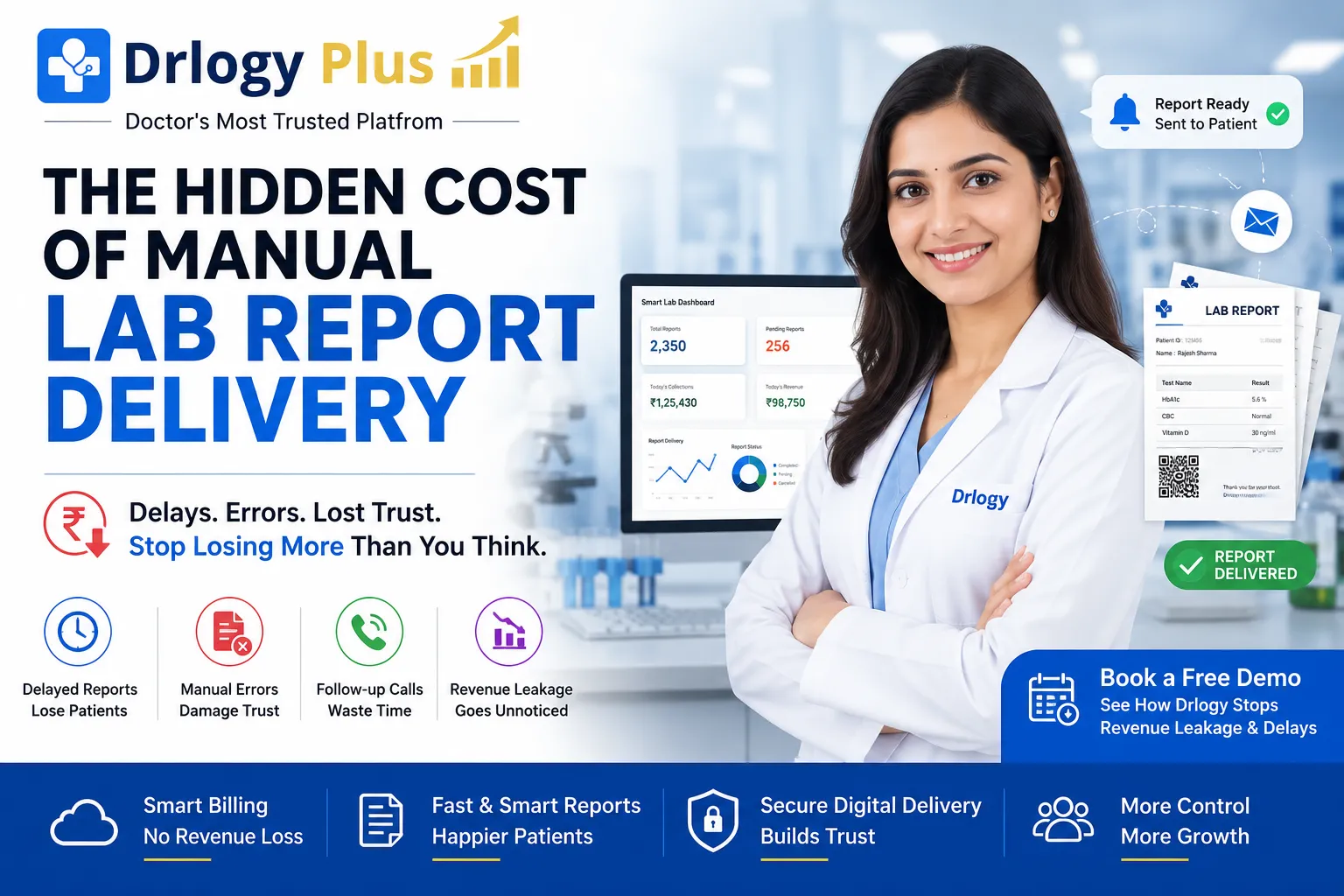
- Include QR codes on printed lab reports, making it easy for patients to access their digital results.
- Ensure that printed QR codes remain scannable across different paper formats.
- Offer a backup to printed reports in case they are misplaced, allowing for easy retrieval.
- Link the QR code to a digital version of the report that can be easily shared or reprinted.
- Include both the report and educational resources via a single QR code on printouts.
14 Steps Guide For Medical Lab Software
Here are 14 Steps Guide For Medical Lab Software.
| 1. Billing | 8. Consent Form |
| 2. Reporting | 9. Patient Education |
| 3. Billing | 10. Report Format |
| 4. Ref Doctor Sharing | 11. QR Code Report |
| 5. Report Tracking | 12. Patient Portal |
| 6. SMART Report | 13. Billing |
| 7. Data Security | 14. Patient Followup |
Summary
Overall, These features enhance the functionality, security, and accessibility of lab reports, making it easier for patients and healthcare providers to interact with and interpret medical data efficiently.
Also, Check our complete 14 steps Drlogy Medical Lab Software Buying Guide guide to make an informed decision and streamline your diagnostic Lab growth and Lab management and growth.